THE GALEV
SUBJECT
RANGE
Six areas of sustained coverage, each developed over multiple volumes. The range is not comprehensive by design — it is selective, returning to the same subjects with accumulating precision rather than widening perpetually.
Movement &
Conditioning
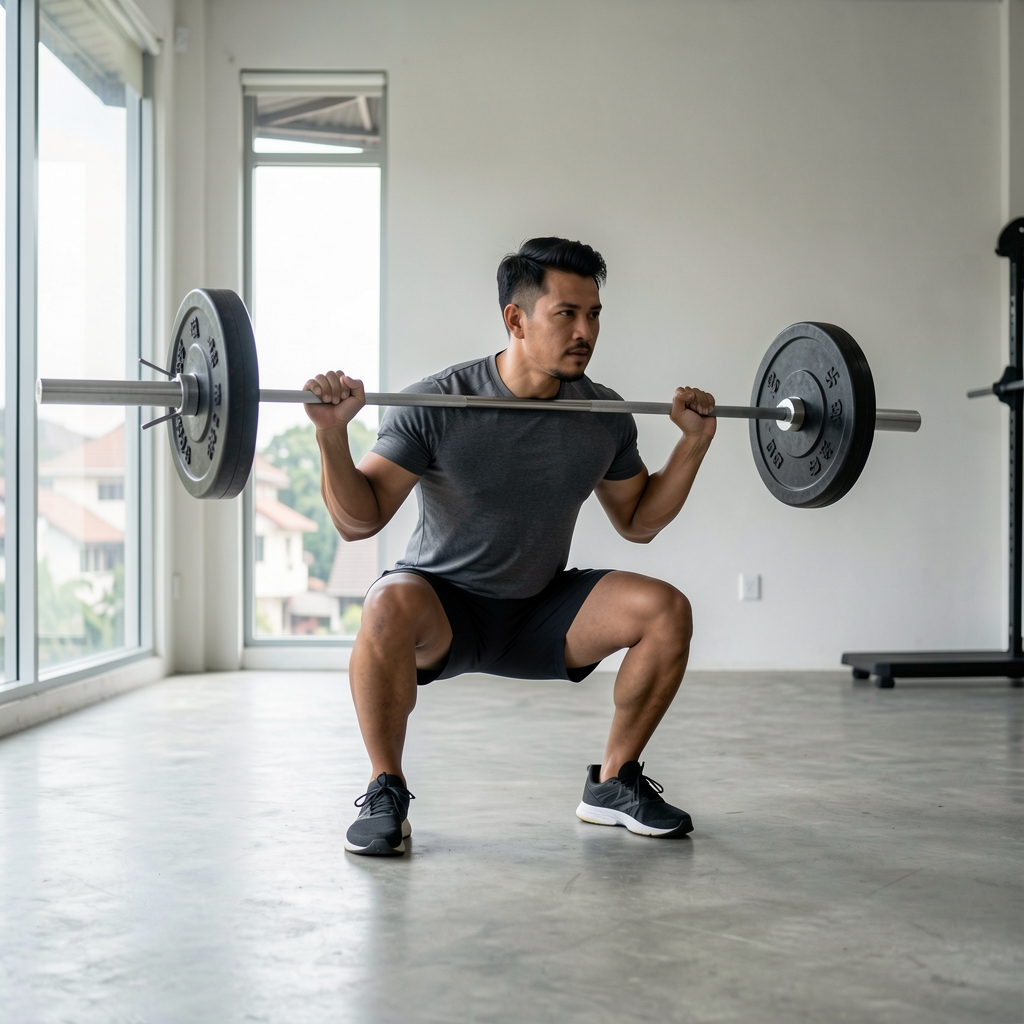
Movement documentation — Jakarta, 2024
The movement coverage at Galev operates on the premise that most men who reach adulthood with intact mobility and reasonable cardiovascular capacity are already qualified to train meaningfully — the primary need is not motivation but structure. The journal documents functional fitness protocols as they are actually practised: across varying equipment access, varying time budgets, and the interference of working life in a city like Jakarta.
Strength programming observations draw from contributor logs that span twelve-month periods minimum. Entries note not only the programme design but the conditions under which it was sustained — traffic patterns, seasonal air quality, the impact of Ramadan schedules on training continuity. Outdoor movement receives particular attention: weekend hikes in the Puncak corridor, cycling routes across South Jakarta, urban walking patterns and their interaction with daily step targets.
Recovery architectures — the deliberate structuring of rest within and between training blocks — are regarded as equal in importance to the training itself. Flexibility and mobility work are documented not as accessories but as determinants of long-term training continuity. The question throughout is not peak performance but sustainable performance across a life.
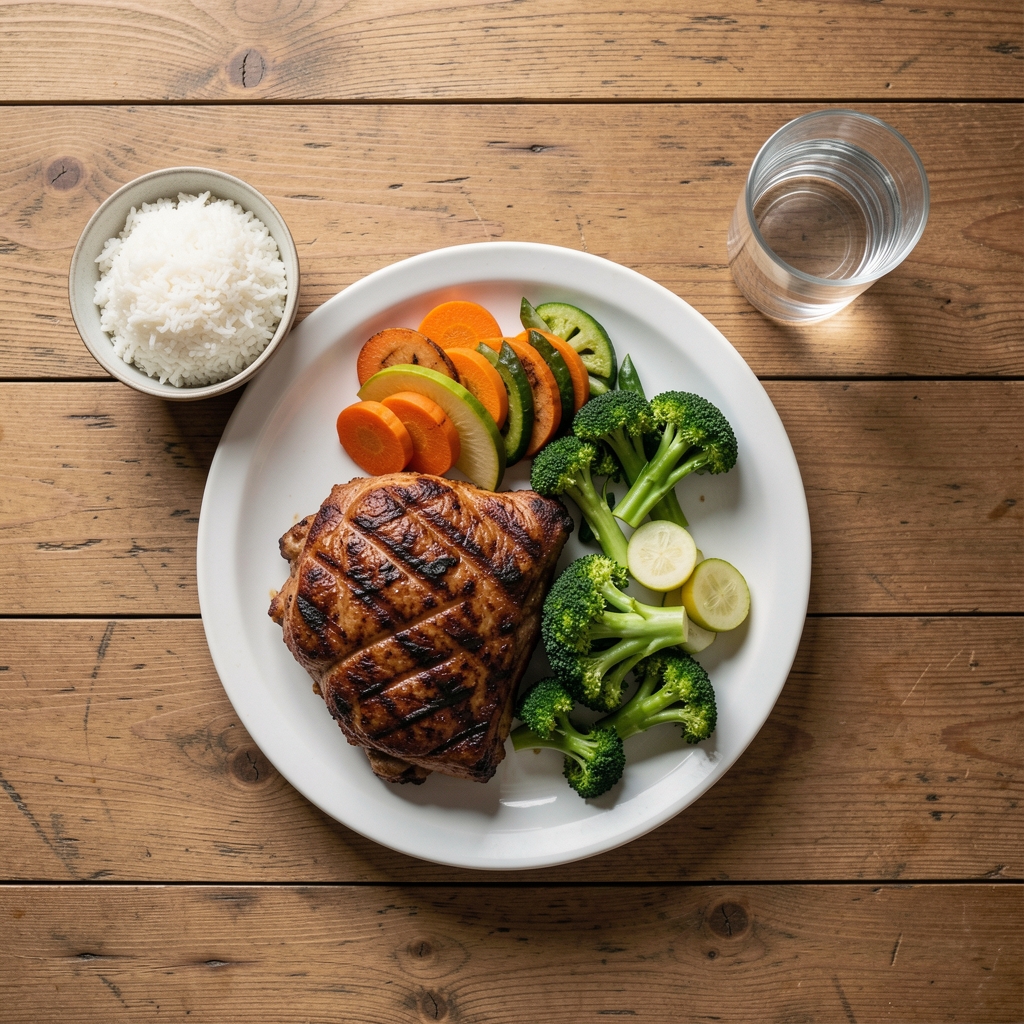
Balanced plate documentation — Jakarta, 2024
Nutritional coverage at Galev proceeds from the recognition that eating well in Indonesia is structurally different from eating well in the contexts where much of the published nutritional research originates. The local food environment — the warung, the gojek order, the office canteen — is not an obstacle to navigate around but the actual landscape in which nutritional choices are made.
Whole-food sourcing entries examine how proximity to traditional markets, pasar swalayan selections, and imported specialty goods interact with budget realities across income levels. Balanced plate construction follows frameworks drawn from published nutritional research and filtered through the actual serving sizes and ingredient compositions of common Indonesian dishes.
Hydration habits are addressed with specificity: Jakarta's heat index across seasons, the impact of air-conditioned indoor environments on perceived thirst, electrolyte considerations for men who train in tropical conditions. Lean eating principles are examined not as restriction frameworks but as compositional ones — the question being less about what is removed from the plate and more about the proportional weight given to each element.
Nutritional
Frameworks
Rest &
Recovery
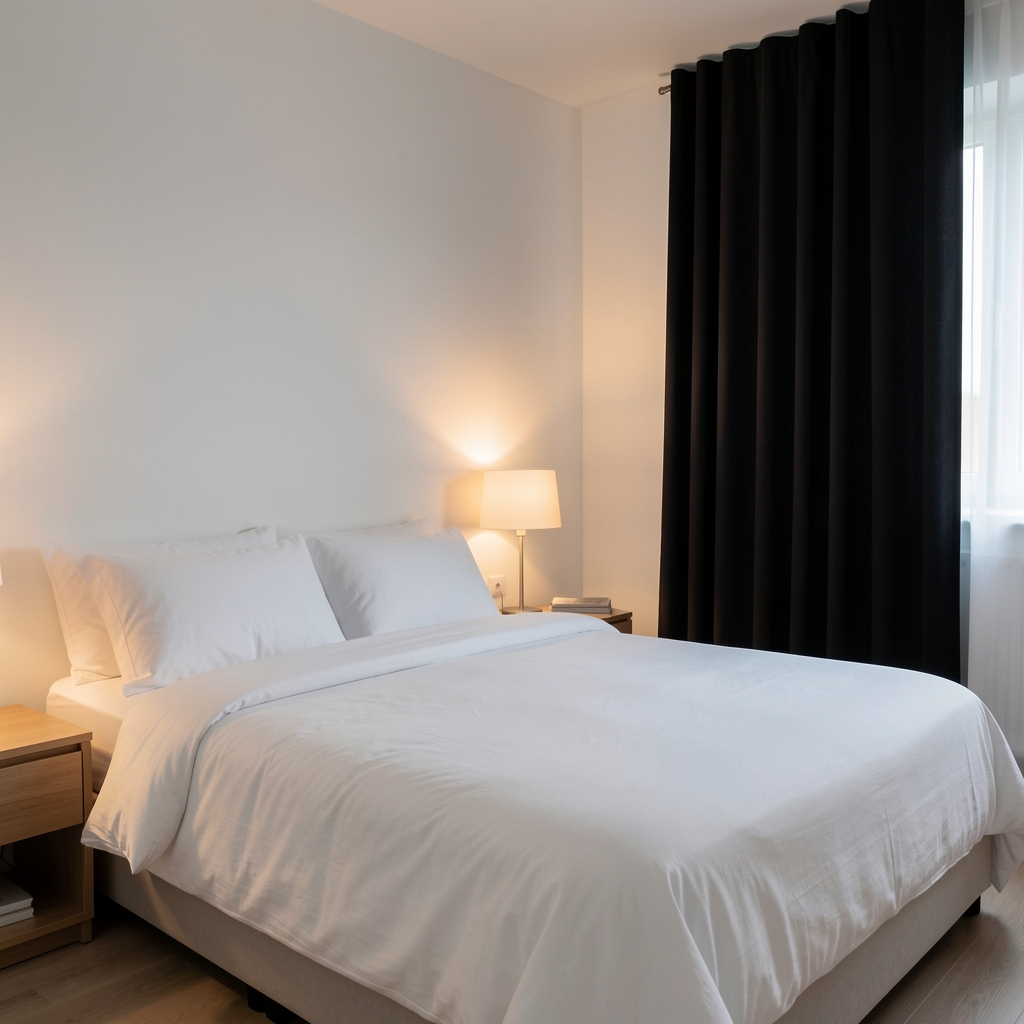
Sleep environment assessment — Jakarta, 2024
Sleep coverage at Galev does not approach rest as a luxury. The journal's position, maintained across volumes, is that sleep quality is the single most consequential variable in men's everyday wellbeing — its effects on cognitive performance, mood regulation, energy, and body composition are documented with a depth that training and nutritional interventions rarely match.
Jakarta presents specific sleep quality challenges: ambient noise profiles from traffic and construction, air-conditioning and its effects on room humidity, the social calendar that compresses evening rest, and the late work habits that Jakarta's business culture normalises. The journal addresses these as structural challenges requiring structural responses, not willpower corrections.
Stress management coverage examines the physiological dimension: the measurable effects of sustained high-load work periods on resting heart rate, morning cortisol patterns, and the interaction between stress and both sleep architecture and nutritional decision-making. Entries are grounded in published research on work-life rhythm, with particular attention to the specific pressure profiles of men in professional environments.
Body Composition
Awareness

Body composition awareness as a subject covers not physical appearance but functional architecture: the relationship between lean mass, energy availability, movement capacity, and the signals the body sends across the day. Galev treats body composition as a category of information rather than a category of aesthetics.
Progress tracking entries cover measurement methods, their limitations, and the interpretation of change over longer timeframes. The journal's position is that meaningful body composition change occurs across months and years, not weeks — and that the measurement cadence should match the rate of meaningful change rather than the rate of impatience.
Grooming &
Self-Care
The grooming and self-care coverage at Galev occupies a specific register: neither aspirational lifestyle photography nor specialist skincare science, but a practical working record of what a man living in Jakarta's climate needs to maintain across skin, hair, and general personal presentation without excessive product dependency or time investment.
Tropical-climate skincare basics — SPF use, hydration under humidity, the management of sweat-related skin concerns without aggressive intervention — are covered with the same evidence-informed rigour as nutritional or movement entries. Wardrobe planning, everyday polish, and the maintenance of a grooming routine that survives a high-activity lifestyle round out the coverage.
Mental Clarity
& Focus
Cognitive performance and focus management are addressed as downstream consequences of the physical foundations covered elsewhere in the journal. The thesis, maintained across editions, is that sustainable cognitive performance is not a separate project from physical wellbeing — it is its output.
Entries cover morning routine design as a determinant of cognitive readiness, the interaction between nutritional patterns and afternoon energy maintenance, and the specific focus challenges of extended screen-based work. The journal does not cover nootropics or supplementation for cognitive performance — the scope remains the structural, habitual, and nutritional levers available to any man without recourse to specialised products.

Morning focus routine — Jakarta, 2024
Each entry follows
the same standard.
Across all six coverage areas, the editorial process is identical: source review, contributor field notes, fact-checking against peer-reviewed literature, and a final editorial pass before publication. No entry is published under time pressure.
- All factual claims referenced against published research
- Minimum 12 months of contributor field data per entry
- Independent review before publication
- No commercial affiliations with product brands
- Corrections published with full attribution